GPAI and the EU AI Act: what MCP server builders owe
What the EU AI Act reaches when you ship an MCP server: GPAI duties, Article 50 transparency, the Article 25(4) value-chain rule, and the post-Omnibus dates.
Scoring philosophy, MCP security, and what changed this week.
What the EU AI Act reaches when you ship an MCP server: GPAI duties, Article 50 transparency, the Article 25(4) value-chain rule, and the post-Omnibus dates.
What a paying agent can check about the party it pays. The AP2, ACP, UCP and x402 layers, what each refuses to do, and what the attacks break.
There is no single AI agent identity standard. Four layers solve four different problems, and MCP has shipped exactly one of them. A field guide.
Eleven AI agents compared on where tool calls run, what each asks before acting, and how far MCP support goes. Every figure links to its source.
ACP means at least three things. For the Agent Client Protocol the answer is that it sits above MCP, not against it. Which ACP you mean, and how they stack.
LangChain is a framework you build with. MCP is a protocol you connect over. They compose rather than compete, through an official adapter per language.
An agent is a program that decides what to do. MCP is how it reaches the things it acts on. How the two layers relate, and the real decision underneath.
Function calling is how a model asks for a tool. MCP is how that tool got there. Where the two meet, and what MCP adds once you have more than a few.
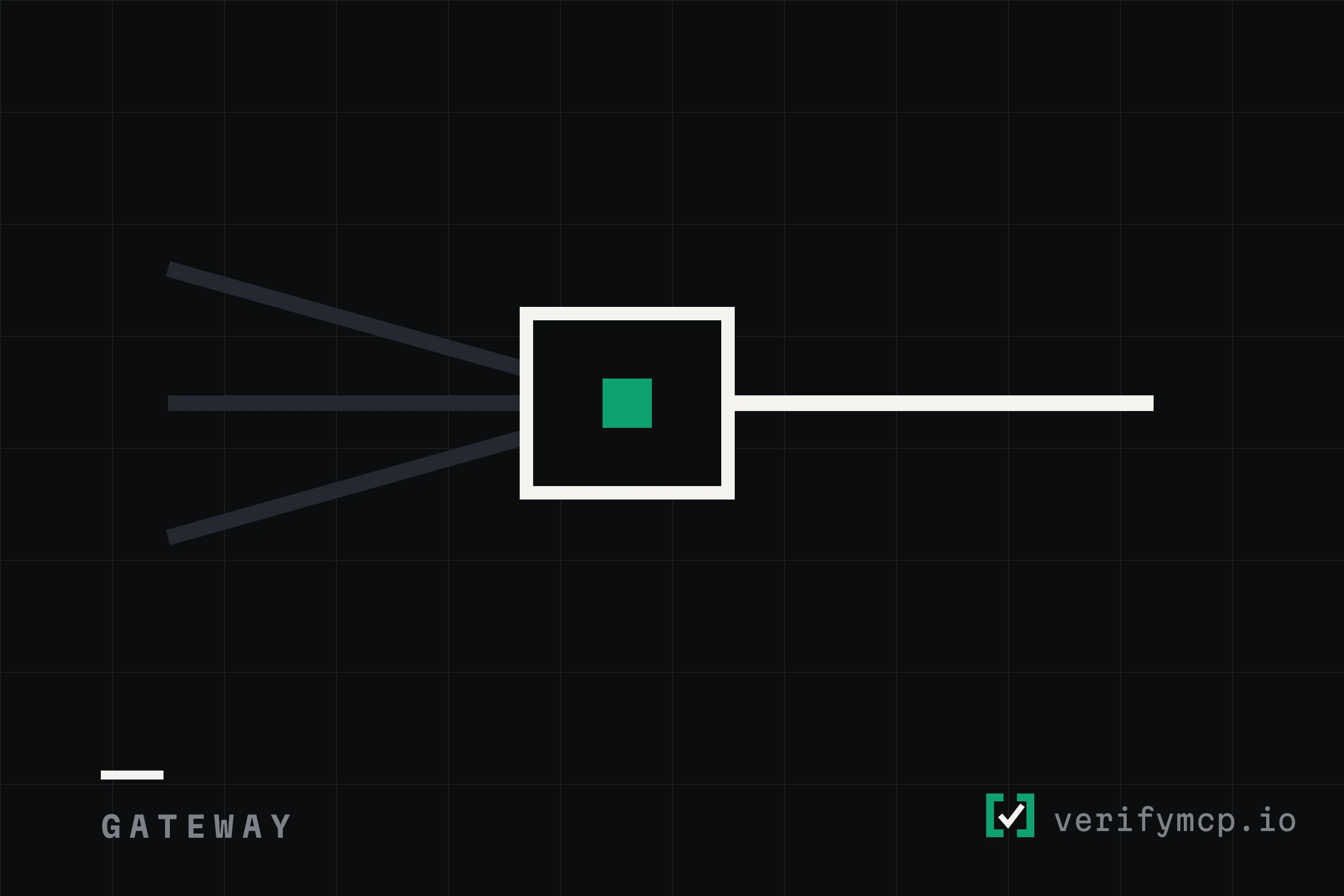
What an MCP gateway or proxy actually does, when aggregating servers behind a single endpoint is worth it, and the per-server provenance you give up.
Token cost, composability and blast radius. When a documented CLI beats an MCP server for coding agents, when it loses, and how to weigh the security trade.
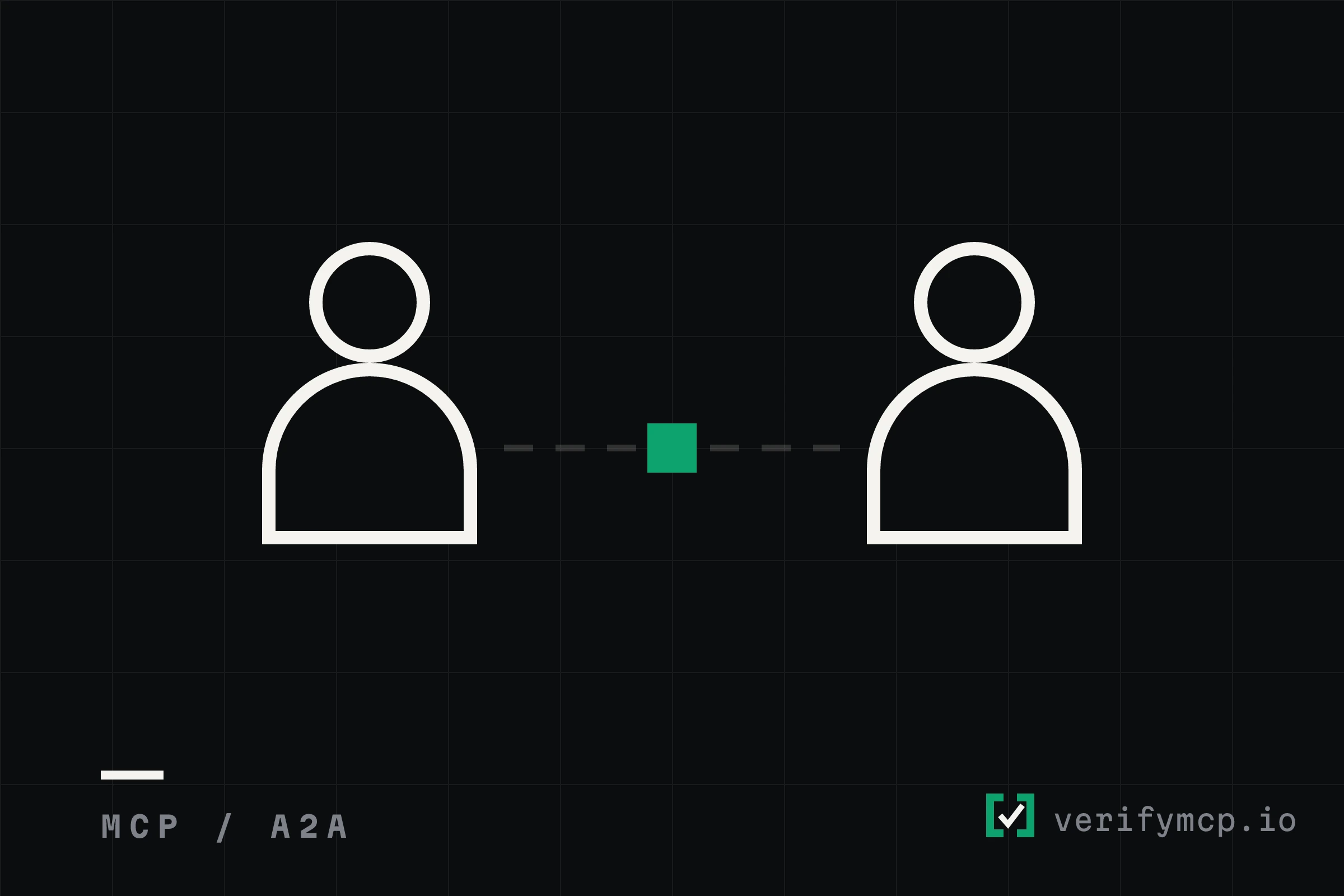
A2A vs MCP, compared by what each one lets you see. MCP connects an agent to tools through schemas you can inspect. A2A connects agents as opaque peers.